
Playing Hotel California: Essential Chords
- Nov 14, 2025
- 4 min read
If you’ve ever dreamed of playing one of the most iconic songs in rock history, Hotel California by The Eagles is a perfect choice! This timeless classic combines beautiful melodies with unforgettable guitar work. Today, I’m going to guide you through the essential chords you need to master this masterpiece. Whether you’re a beginner or an experienced player, you’ll find practical tips and clear instructions to help you nail those chords with confidence.
How to Play Iconic Chords in Hotel California
The magic of Hotel California lies in its chord progression. It’s both captivating and accessible, making it a fantastic learning piece. The song primarily uses a sequence of minor and major chords that create a haunting yet melodic atmosphere.
Here’s the basic chord progression for the verses:
Bm
F#7
A
E
G
D
Em
F#7
These chords repeat throughout the verses, giving the song its signature sound. Let’s break down each chord and how to play it cleanly.
Bm (B minor)
This is a barre chord that can be tricky at first, but with practice, it becomes second nature. Place your index finger across all strings on the 2nd fret, then form an Am shape with your other fingers.
Tip: Press firmly with your index finger to avoid muted strings.
Practice: Strum slowly and ensure every note rings clearly.
F7 (F sharp dominant 7)
This chord adds a bluesy tension to the progression. It’s played as a barre on the 2nd fret with a specific finger placement to highlight the 7th note.
Tip: Use your ring finger to fret the 4th string on the 4th fret.
Practice: Try switching between Bm and F#7 smoothly.
A Major
A straightforward chord that’s essential for many songs. Place your index, middle, and ring fingers on the 2nd fret of the 2nd, 3rd, and 4th strings respectively.
Tip: Keep your fingers arched to avoid muting adjacent strings.
Practice: Strum all strings except the 6th.
E Major
A bright and open chord that contrasts beautifully with the minor chords.
Tip: Place your index finger on the 1st fret of the 3rd string, middle finger on the 2nd fret of the 5th string, and ring finger on the 2nd fret of the 4th string.
Practice: Strum all six strings for a full sound.
G Major
This chord adds a rich, full tone to the progression.
Tip: Use your middle finger on the 3rd fret of the 6th string, index finger on the 2nd fret of the 5th string, and ring finger on the 3rd fret of the 1st string.
Practice: Make sure the 2nd string rings open.
D Major
A bright chord that complements the others perfectly.
Tip: Place your index finger on the 2nd fret of the 3rd string, middle finger on the 2nd fret of the 1st string, and ring finger on the 3rd fret of the 2nd string.
Practice: Strum only the bottom four strings.
Em (E minor)
One of the easiest chords to play, perfect for beginners.
Tip: Place your middle and ring fingers on the 2nd fret of the 5th and 4th strings.
Practice: Strum all six strings for a deep, resonant sound.

Mastering the Rhythm and Strumming Pattern
Playing the chords is just the first step. To truly capture the essence of Hotel California, you need to master the rhythm and strumming pattern. The song has a smooth, flowing rhythm that blends fingerpicking with strumming.
Basic Strumming Pattern
A common pattern to start with is:
Down - Down - Up - Up - Down - Up
This pattern fits well with the tempo and mood of the song. Practice it slowly, then gradually increase your speed.
Fingerpicking Style
For a more authentic sound, try fingerpicking the chords. This involves plucking individual strings with your thumb and fingers rather than strumming all at once.
Tip: Start by plucking the bass note of each chord with your thumb.
Practice: Add the higher strings with your index, middle, and ring fingers in a steady rhythm.
Combining Both
Many guitarists mix strumming and fingerpicking to add dynamics. Experiment with alternating between the two to find what feels right for you.
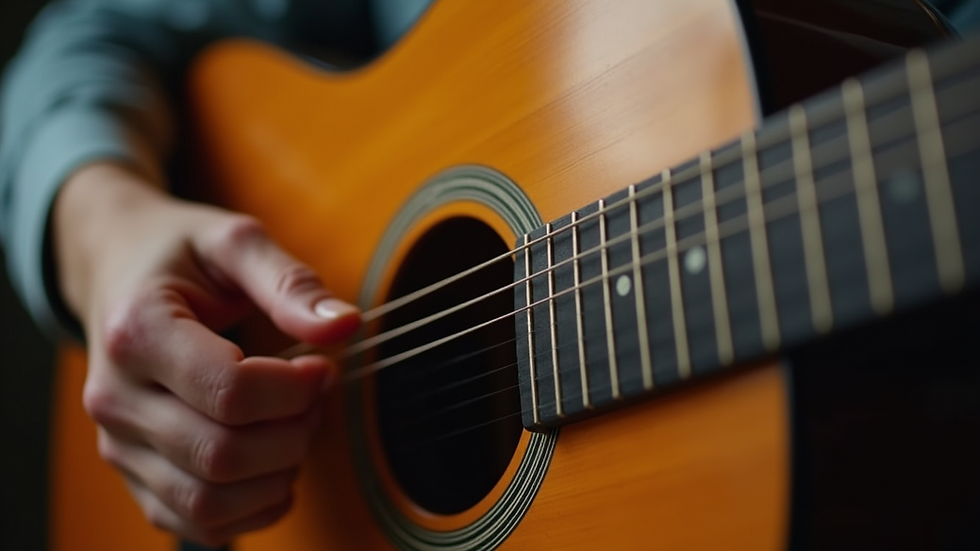
Tips for Smooth Chord Transitions
One of the biggest challenges when learning Hotel California is switching between chords quickly and cleanly. Here are some actionable tips to help you improve:
Practice Slowly: Start by playing the chord progression at a slow tempo. Focus on accuracy rather than speed.
Use Anchor Fingers: Identify fingers that stay on the same string or fret between chords to minimize movement.
Visualize the Next Chord: Before switching, look at the fretboard and prepare your fingers for the next shape.
Isolate Difficult Changes: If a particular transition is tough, practice just that switch repeatedly.
Keep Your Fingers Close: Avoid lifting your fingers too far off the fretboard to save time.
By incorporating these techniques, you’ll notice your chord changes becoming smoother and more natural.
Where to Find the Best Resources for Hotel California Chords
Learning from quality resources can make a huge difference. I recommend checking out detailed chord charts and tutorials that break down the song step-by-step. For example, you can find excellent hotel california chords that are easy to follow and perfect for all skill levels.
Additionally, consider joining a music academy or online course that offers structured lessons. This approach provides personalized feedback and accelerates your progress.
Elevate Your Playing with Practice and Patience
Remember, mastering Hotel California is a journey. It requires dedication, patience, and consistent practice. Here are some final tips to keep you motivated:
Set Small Goals: Focus on mastering one chord or section at a time.
Record Yourself: Listening back helps identify areas for improvement.
Play Along with the Song: This builds timing and confidence.
Join a Community: Sharing your progress with fellow musicians keeps you inspired.
With these strategies, you’ll soon be playing Hotel California with the flair and emotion it deserves!
Unlock the beauty of this classic song by mastering its essential chords. Your guitar journey is just beginning, and with every chord you learn, you’re one step closer to becoming the musician you aspire to be. Keep strumming, keep dreaming, and most importantly, enjoy every moment of making music!


Comments